

Choosing an app development partner is more of a business decision than just a technical one.
The right partner should be able to understand your product goals, recommend the right technology, build a secure and scalable application, communicate clearly throughout development, and support the product after launch.
The wrong choice can lead to missed deadlines, unexpected costs, technical debt, security problems, poor app performance and expensive redevelopment.
This guide explains how to evaluate an app development partner before you sign a contract—from technical expertise and portfolio quality to pricing, security, communication, ownership and post-launch support.
Whether you’re building a new mobile app, replacing an existing product or looking for a long-term development partner, use this checklist to compare vendors objectively.
TL;DR: How to choose an app development partner
Choose an app development partner based on more than price or a polished portfolio.
Evaluate the company across these areas:
- Business and industry experience
- Relevant mobile app portfolio
- Technical expertise
- Native and cross-platform capabilities
- UI/UX and product thinking
- Security and compliance
- Development methodology
- Communication and project management
- Pricing and contract model
- Source-code and IP ownership
- Post-launch maintenance and support
- Client references and delivery track record
Before committing to a long-term engagement, ask for relevant case studies, speak with previous clients, review the proposed technical approach and, where practical, start with a defined discovery phase or paid pilot.
The goal is not to find the cheapest development company. It is to find a partner that can deliver the product reliably and continue supporting it as your business grows.
If you’re evaluating vendors, you’re likely looking for more than developers. You’re looking for a reliable app development partner.
At Evangelist Apps, one of the UK’s leading mobile app development company, we’ve helped startups and enterprises turn product ideas into scalable mobile applications through structured discovery, transparent delivery, and security-first engineering. (Feel free to check out our work here!)
Why You Need the Right App Development Partner
An app development partner influences far more than the code behind your application.
They can shape your product architecture, development roadmap, technology choices, security model, release process and long-term maintenance strategy.
A capable partner should help you answer questions such as:
- What should the first version of the product include?
- Should the app be native or cross-platform?
- What backend architecture will support future growth?
- How should the app integrate with existing systems?
- How will user data be protected?
- How will quality be tested before release?
- Who will maintain the application after launch?
What happens when the wrong app development partner is selected?
Poor partner selection can create problems that become expensive to fix later:
- Development estimates that continually increase
- Delayed releases
- Poorly structured code
- Weak testing and quality assurance
- Security vulnerabilities
- Difficult-to-maintain infrastructure
- Communication gaps
- Unexpected third-party costs
- Vendor dependency
- Limited post-launch support
The key is to evaluate a development partner before the project starts—not after problems appear.
App development company vs app development partner: are they same?
An app development company may be hired to complete a defined development project.
An app development partner is expected to contribute beyond implementation.
A partner should be able to participate in product discovery, technical planning, development, testing, deployment, optimization and ongoing improvements.
If your application is expected to become an important part of the business, that longer-term relationship matters.
How Can An App Development Partner Help?
A strong app development partner should be able to support the product across its full lifecycle.
1. Product Discovery
Before development starts, the partner should help clarify the target users, business problem, product scope, key workflows and success metrics.
The output should be a clearer definition of what needs to be built—and what does not need to be built yet.
2. Technical Strategy
The partner should recommend an appropriate technology stack, architecture, database strategy, APIs, cloud infrastructure and development approach based on the product requirements.
Technology should follow the product’s needs rather than the vendor’s preferred stack.
3. UI/UX Design
The team should translate product requirements into user flows, wireframes and high-fidelity interfaces that are practical for the target platform.
Good design is not only about appearance. It should reduce friction and make important user actions obvious.
4. Application Development
Developers build the mobile application, backend services, integrations and supporting infrastructure according to the agreed architecture and product roadmap.
5. Quality Assurance
Testing should cover functionality, usability, performance, security, device compatibility and regression before release.
6. Deployment
The partner should help prepare the application for release, including store requirements, production configuration, release testing and deployment processes.
7. Post-Launch Support
After launch, the relationship should continue through monitoring, bug fixes, OS updates, security patches, performance improvements and feature releases.
A good development partner should not disappear once the app reaches the App Store or Google Play.
12-Point Checklist for Choosing an App Development Partner
Use this 12-point evaluation framework before finalizing your decision.
1. Define Your Business Goals Clearly
Before comparing development companies, define what the application needs to achieve.
Document:
- The business problem you’re solving
- Target users
- Primary user journeys
- Core features
- MVP scope
- Revenue or operational model
- Success metrics
- Expected launch market
- Regulatory or compliance requirements
You do not need a complete technical specification before speaking with a development partner.
However, you should be able to explain the problem, the intended users and the outcome you expect.
What to ask a potential partner
Ask:
“Based on our goals, what would you recommend building first and what would you leave out of the MVP?”
A good partner should be willing to challenge unnecessary features instead of simply agreeing to build everything requested.
2. Choose the Right App Development Approach
The decision between native and cross-platform development should depend on the product not simply development cost.
Native development
Native iOS and Android development can be appropriate when your application requires platform-specific capabilities, advanced performance, deep hardware integration or highly customized platform experiences.
Typical technologies include:
- Swift / SwiftUI for iOS
- Kotlin / Jetpack Compose for Android
Cross-platform development
Cross-platform frameworks can be useful when you want to share a substantial part of the codebase across platforms and prioritize development efficiency.
Common options include:
- Flutter
- React Native
Evaluate these factors before deciding
Compare:
- Required performance
- Hardware and platform integrations
- UI complexity
- Development timeline
- Budget
- Team expertise
- Long-term maintenance
- Expected product scale
- Platform-specific functionality
Ask the development partner to explain why they recommend a particular approach.
A credible partner should be able to explain the trade-offs rather than automatically recommending the technology they use most often.
Read more: Best Cross Platform App Development Frameworks for iOS & Android
3. Evaluate Relevant Industry Experience
Industry experience can reduce the time required to understand your users, workflows and regulatory environment.
However, don’t choose a company simply because it has worked in your industry.
Look for experience with problems similar to yours.
Ask:
- Have you built a product with similar functionality?
- Have you integrated with similar systems?
- Have you worked with similar user groups?
- What technical challenges did the project involve?
- What would you do differently if you built it again?
What evidence to request
Ask for two or three relevant case studies.
Look beyond screenshots. Find out what the partner actually contributed, what technology was used, what constraints existed and what happened after launch.
A portfolio demonstrates that a company can build software.
A detailed case study gives you evidence of how it solves problems.
4. Review Technical Expertise
The right development partner should be able to explain the technical architecture in business-friendly language.
Review their experience across:
- iOS and Android development
- Flutter or React Native where relevant
- Backend development
- APIs and third-party integrations
- Cloud infrastructure
- Databases
- DevOps and CI/CD
- Automated testing
- Application monitoring
- Security
Ask the team to explain how they would approach your application’s architecture.
You are not looking for the most complicated solution.
You are looking for an architecture that is secure, maintainable and capable of supporting the product’s expected growth.
A useful test
Ask:
“What technical decision would you make differently if this application grew from 10,000 to 1 million users?”
The answer can reveal whether the team is thinking beyond the first release.
5. Review the Portfolio Beyond Screenshots
A polished portfolio does not necessarily prove development capability.
When reviewing previous projects, look for evidence of:
- Similar product complexity
- Real integrations
- Performance considerations
- Security requirements
- Scalability
- App Store or Google Play deployment
- Long-term maintenance
- Measurable business outcomes
Ask whether the company can explain the technical and product decisions behind the project.
Also verify whether the work shown was actually delivered by the team you are evaluating.
A development company may showcase a project that was only partially handled by its current team.
The best question is:
“What exactly did your team own on this project?”
6. Understand Their Development Methodology
Ask how the development team will turn your requirements into working software.
A mature delivery process should define:
- Product backlog
- Sprint planning
- Development cycles
- Code reviews
- QA and testing
- Demo/review sessions
- Release management
- Issue tracking
- Change management
You should also know who is responsible for product decisions, technical decisions and delivery coordination.
Don’t choose a partner because they use the word “Agile.”
Ask them to show you how Agile actually works in their projects.
For example:
- How frequently will you receive builds?
- How are priorities changed?
- How are bugs tracked?
- How are scope changes estimated?
- Who approves releases?
- How will project progress be reported?
Read more: 10 Best Software Development Methodologies
7. Check Security, Privacy and Compliance
Security should be considered during architecture and development not added immediately before launch.
Ask the potential partner how they handle:
- Authentication and authorization
- Encryption
- API security
- Secure data storage
- Secrets and credentials
- Dependency management
- Access control
- Code reviews
- Vulnerability management
- Security testing
- Backup and recovery
- User privacy
For regulated industries, also ask about experience with the specific compliance requirements relevant to your market.
Questions worth asking
- How is sensitive data encrypted?
- Where is customer data stored?
- How are production credentials managed?
- How are third-party dependencies monitored?
- Is security testing part of the QA process?
- Who has access to production systems?
- How are vulnerabilities handled after launch?
For iOS applications, privacy also needs to be considered as part of the App Store submission process. Apple requires developers to provide information about the app’s data collection practices in App Store Connect.
A partner should be able to explain these requirements before your application reaches submission not discover them at the final stage.
8. Evaluate Communication and Transparency
Communication problems can become delivery problems.
Before signing, understand:
- Who your primary contact will be
- Who manages the project
- How frequently you’ll receive updates
- Which collaboration tools are used
- How technical decisions are documented
- How urgent issues are escalated
- Which working hours overlap with your team
Ask for a sample project reporting format.
You should be able to understand:
- What was completed
- What is currently being worked on
- What is blocked
- What is coming next
- Whether the project is on schedule
Good communication is not about having more meetings.
It is about having the right information at the right time.
9. Compare Pricing Models Carefully
Price should be evaluated alongside scope, delivery model, technical quality and long-term ownership.
Common engagement models include:
- Fixed price: Suitable when the scope and requirements are clearly defined.
- Time and materials: Useful when requirements are expected to evolve during development.
- Dedicated team: Suitable when you need an ongoing team to support a product roadmap.
Don’t compare only the headline quote
Ask what is included in the estimate.
Check whether the proposal covers:
- Product discovery
- UI/UX design
- Development
- QA
- Project management
- Infrastructure
- Third-party services
- App Store deployment
- Post-launch support
- Bug fixes
- Maintenance
A low initial quote can become expensive if important activities are excluded.
Ask each shortlisted partner to provide assumptions, exclusions and change-request procedures alongside the price.
10. Confirm Source Code, IP and Account Ownership
Ownership should be agreed before development begins.
Clarify who owns:
- Source code
- UI/UX designs
- Documentation
- Databases
- APIs and backend infrastructure
- Cloud accounts
- App Store accounts
- Third-party service accounts
- Intellectual property created specifically for the project
Also ask how you would access the code and infrastructure if the partnership ended.
Ideally, your business should not become dependent on a vendor simply because the vendor controls the technical assets.
Ask these questions
- Who owns the source code?
- Where is the code repository hosted?
- Who controls production credentials?
- Who owns the App Store and Google Play accounts?
- Will documentation be delivered?
- Can another development team take over the project if necessary?
Clear ownership reduces vendor lock-in and makes the long-term relationship safer.
11. Evaluate Post-Launch Support
Launching the app is not the end of development.
Mobile operating systems, devices, APIs, security requirements and user expectations continue to change.
Ask what support is available for:
- Bug fixes
- OS updates
- Security patches
- Performance monitoring
- Crash analysis
- App Store updates
- Feature enhancements
- Backend maintenance
- Infrastructure scaling
Also clarify response times and support terms.
Ask:
“What happens if our application stops working after launch?”
The answer should be specific.
Look for defined support processes, escalation procedures and service expectations rather than a vague promise to “be available.”
12. Validate the Partner Before Signing a Long-Term Contract
Do not make the final decision based solely on a sales presentation.
Speak with previous clients where possible.
Ask:
- Was the project delivered as promised?
- How transparent was the team?
- Were there unexpected costs?
- How did they handle problems?
- Was communication reliable?
- What happened after launch?
- Would you hire them again?
For larger or higher-risk projects, consider starting with a defined discovery engagement or paid pilot.
A pilot can help you evaluate:
- Code quality
- Communication
- Technical decision-making
- Documentation
- Delivery discipline
- Team compatibility
A small investment at the beginning can expose problems before they become expensive problems across an entire product roadmap.
Red Flags to Watch for When Choosing an App Development Partner
A development company does not need to meet every criterion perfectly. But certain warning signs deserve further investigation.
1. The quote is unusually low – A significantly lower estimate may indicate missing scope, inexperienced resources or important services being excluded.
2. They promise an unrealistic launch date – Complex applications require discovery, design, development, testing and release preparation. Be cautious when a vendor commits to an aggressive timeline before understanding the requirements.
3. They cannot explain their technical approach – You should not need to be a developer to understand the reasoning behind the proposed architecture.
4. The portfolio contains only screenshots – Screenshots show design not delivery capability. Ask for case studies and implementation details.
5. The proposal contains no assumptions – A proposal should explain what is included, excluded and dependent on third parties.
6. Security is discussed only at the end – Security should be part of architecture and development from the beginning.
7. There is no clear post-launch plan – Ask who will maintain the application once it is live.
8. The vendor controls everything – Make sure you understand ownership of source code, infrastructure, accounts and intellectual property.
9. Communication is vague – If you cannot understand how progress, issues and decisions will be communicated before signing, it is unlikely to become clearer later.
10. They agree to everything – A good partner should sometimes tell you that a feature is unnecessary, risky, expensive or better approached differently. You are hiring technical expertise not just additional hands to write code.
Looking for a Trusted App Development Partner?
If you’re evaluating vendors and want a structured, reliable approach, Evangelist Apps is a trusted app development partner delivering scalable, secure, and high-performance mobile applications.
Our team works across startups, enterprises, and global brands. We focus on:
- Clear discovery and architecture planning
- Agile development with transparent sprint cycles
- Security-first engineering practices
- Scalable cloud-native infrastructure
- Long-term maintenance and optimization
We build products designed for growth.
We have delivered across travel, recruitment, enterprise systems, and digital platforms. Each project went through –
- Structured discovery process
- Performance-optimized builds
- On-time delivery
- Post-launch scalability support
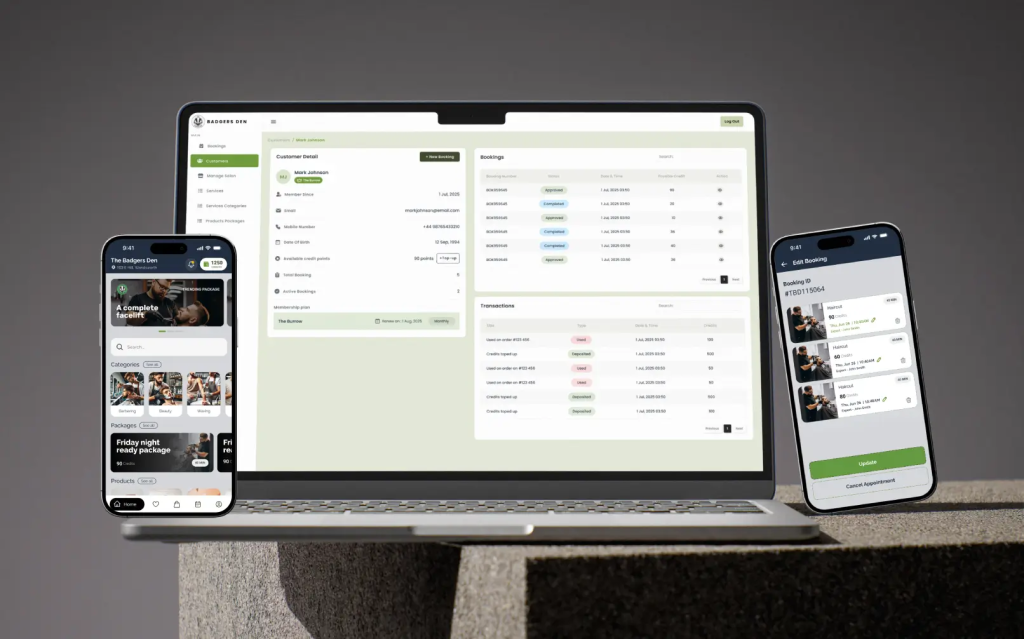
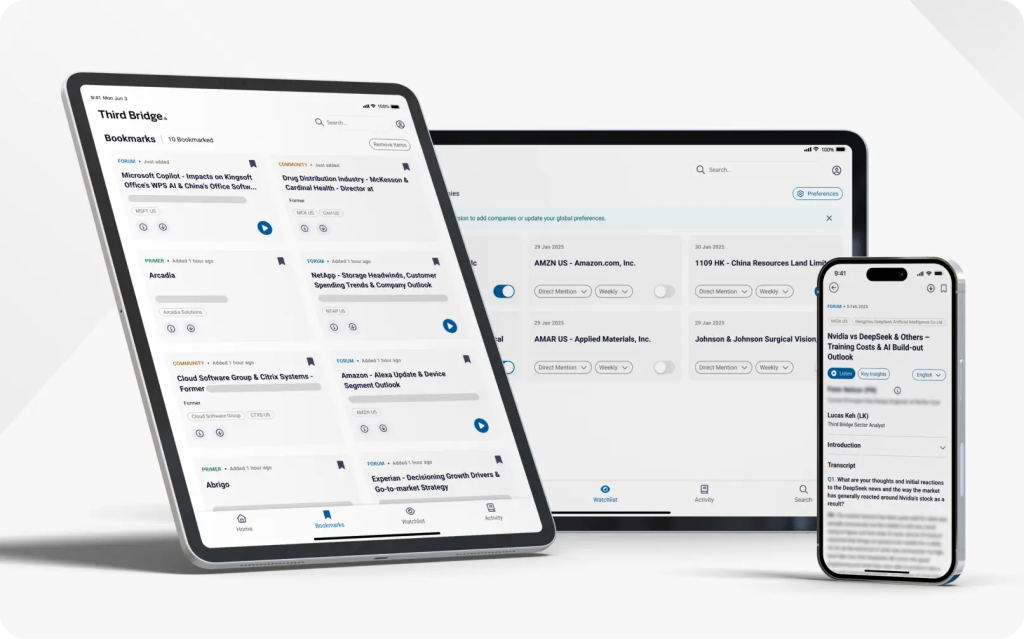
Here are couple of our successful mobile app projects that we have built for our clients –
Ready to Validate Your Idea?
If you’re planning a mobile application and want technical clarity before committing:
Book a free strategy consultation to:
- Validate feasibility
- Estimate realistic timelines
- Understand budget ranges
- Identify the right technology stack
Make an informed decision before investing in development.
Schedule Your FREE Consultation Call here
10 Questions to Ask an App Development Partner Before Hiring Them
Use these during evaluation:
- What similar apps have you built recently?
- How do you ensure app scalability?
- What is your QA process?
- How do you handle scope changes?
- Who owns the source code?
- What happens if a developer leaves mid-project?
- What security frameworks do you follow?
- What are your average project timelines?
- What tools do you use for collaboration?
- What does post-launch support include?
Short, direct questions reveal operational maturity quickly.
What Makes a Good App Development Partner?
Your app development partner must have good experience and also come from a relevant academic background.
Check for previously published projects to understand their level of expertise.
- Job-specific skill: Make sure to hire talents who are experienced with the development platform and programming language you wish to use for your app.
- Writing codes: Check if the development partner can write efficient and accurate codes using the right programming languages when developing apps.
- Manage databases: Check how databases are created and if they are secure enough to hold user information. The right developer will help create secure databases protected by additional layers of security like 2FA, Authentication codes, and more.
- Other aspects: Check if the developer can create intuitive UIs for the best user experience, track bugs, and resolve them and their track record of providing regular updates.
Frequently Asked Questions About Choosing an App Development Partner
Q. How do I pick the right app development partner?
Evaluate experience, technical stack, security standards, pricing model, communication clarity, and post-launch support. Run a paid pilot before signing a long contract.
Q. What is the difference between native and cross-platform apps?
Native apps are built specifically for iOS or Android and offer maximum performance. Cross-platform apps use shared codebases, reducing cost and development time.
Q. How much does a mobile app typically cost?
Basic apps cost between $25k–$75k, mid-level apps $75k–$200k, and enterprise apps often exceed $200k depending on complexity and integrations.
Q. How do I evaluate a mobile app development company?
Review portfolio, technical expertise, communication structure, security compliance, pricing transparency, and client references.
Q. Should I hire locally or offshore?
Choose based on expertise and communication efficiency rather than location. Many offshore teams provide high-quality results with cost advantages.
Q. How long does it take to build a mobile app?
A basic MVP usually takes 3–6 months. Mid-level apps require 6–10 months, while complex enterprise applications may take 10–18 months. Timelines depend on feature complexity, integrations, design requirements, and approval cycles.
Q. How do I assess an app developer’s security practices?
Ask about encryption standards, secure authentication methods, compliance frameworks, code review processes, penetration testing, and data storage practices. Request documentation of their security protocols and confirm experience with regulatory requirements relevant to your industry.
Q. Should I do a paid pilot?
Yes. A paid pilot reduces risk by testing communication, code quality, documentation standards, and delivery timelines before committing to a long-term contract. It helps validate capability and cultural fit with minimal financial exposure.
Q. How do I choose the right mobile app development partner for an enterprise project?
Choose a partner with proven enterprise experience, scalable architecture, strong security practices, and transparent delivery. Prioritize teams offering end-to-end support and clear communication like Evangelist Apps, which focuses on secure, scalable enterprise app development.