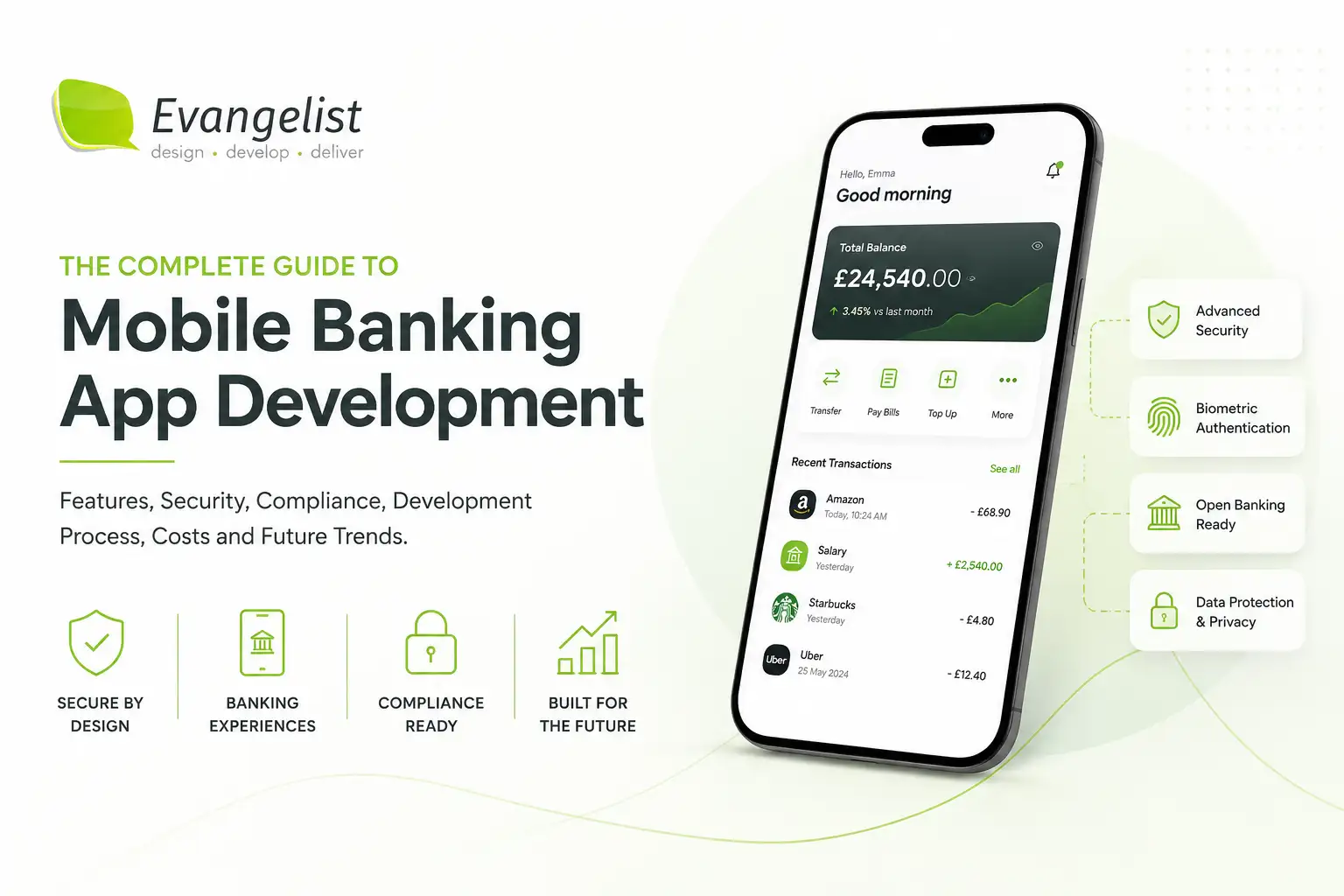


Banking has changed forever after covid-19.
Customers no longer judge a bank only by its branches, interest rates or customer service.
Today, they judge it by its mobile app.
If checking an account balance takes too many taps, transferring money feels slow, or logging in becomes frustrating, customers quickly move to competitors offering a better digital experience.
This shift explains why banks worldwide are investing heavily in digital products.
According to McKinsey & Co., mobile banking interactions have increased by 72%, reaching around 150 digital touchpoints per customer every year.
The opportunity extends beyond customer convenience.
A well-designed mobile banking application reduces operational costs, improves customer retention, enables personalised financial services, and creates entirely new digital revenue streams.
Whether you’re a traditional bank modernising legacy systems, a fintech startup launching a neobank, or an enterprise building financial products, mobile banking app development has become a strategic investment rather than an optional upgrade.
In this comprehensive guide, we’ll explain:
- What mobile banking app development involves
- Essential and advanced banking features
- Security and regulatory requirements
- Development process
- Cost considerations
- Technology stack
- Future trends
- How to choose the right mobile banking app development company
Throughout this guide, we’ll also share practical insights from the Evangelist Apps team based on our experience building secure enterprise mobile applications for global banks.
Why Is Mobile Banking App Development Growing So Fast?
Mobile banking adoption is redefining the banking industry across the globe.
Customers expect banking experiences that are as smooth as ordering food, booking flights or shopping online.
Several industry trends are driving this transformation.
1. Customers expect banking anywhere
Modern users want instant access to:
- Account balances
- Transactions
- Card management
- Loan information
- Investments
- Customer support
They expect these services 24/7 without visiting a physical branch.
2. Digital-first banks are raising customer expectations
Neobanks have proven that users value:
- Simple onboarding
- Faster payments
- Better interfaces
- Real-time notifications
- Intelligent budgeting
- Personalised financial insights
Traditional banks now compete not only with other banks but also with fintech companies delivering exceptional mobile experiences.
3. Banks are investing heavily in technology
According to McKinsey, the global banking industry spends approximately $600 billion annually on digital transformation.
Much of this investment supports:
- AI-powered banking
- Fraud prevention
- Digital identity verification
- Mobile-first customer experiences
- Open Banking APIs
- Cloud-native banking platforms
What Is Mobile Banking App Development?
Mobile banking app development is the process of designing, developing, securing and maintaining applications that allow customers to perform financial transactions directly from their smartphones.
Unlike ordinary mobile applications, banking apps must combine excellent user experience with enterprise-grade security, regulatory compliance and high-performance backend systems.
A modern banking application typically integrates with:
- Core banking systems
- Payment gateways
- Card management platforms
- Digital wallets
- Open Banking APIs
- Identity verification services
- Fraud detection engines
- CRM platforms
- Analytics platforms
- AI services
The objective here is to create a secure digital banking ecosystem that customers trust every day.
What Types of Mobile Banking Apps Can You Build?
Different financial institutions require different banking products.
Understanding these categories helps define the right development strategy.
Retail Banking Apps
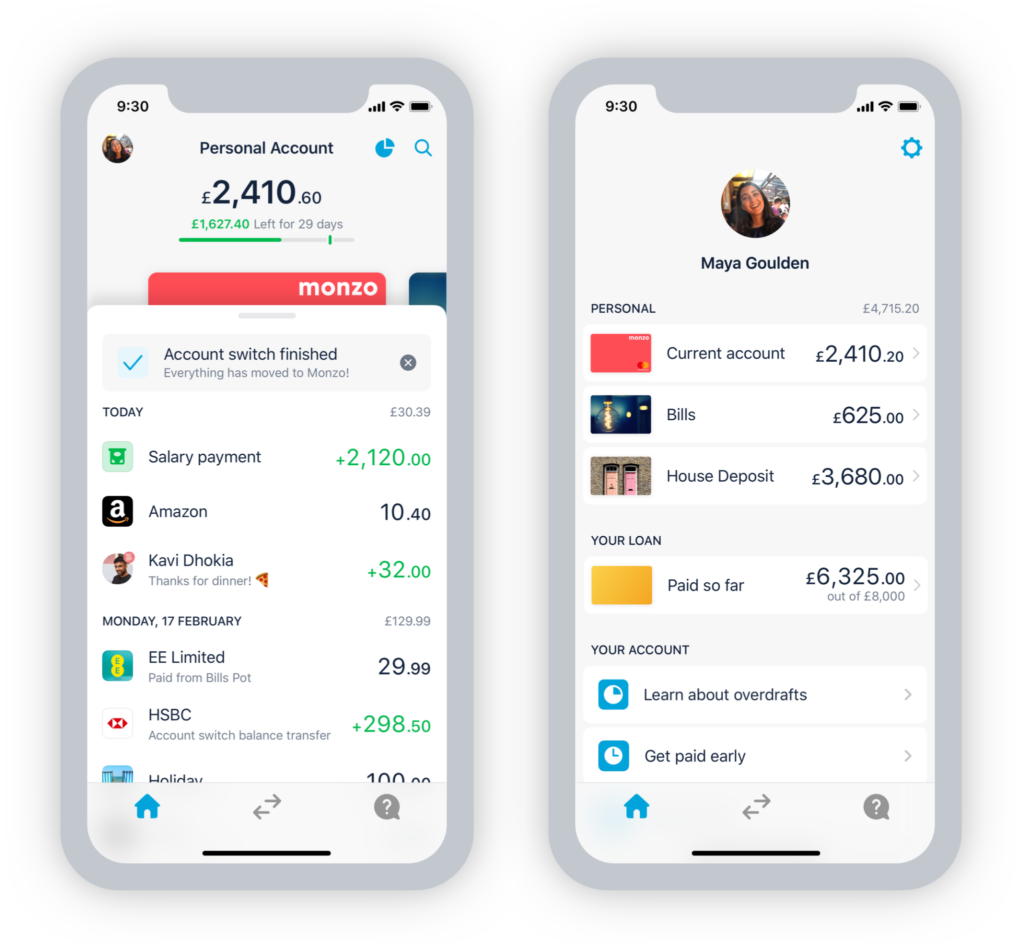
Example: Monzo Banking App in UK (Credit)
These apps serve everyday consumers.
Typical features include:
- Account management
- Money transfers
- Bill payments
- Mobile cheque deposit
- Debit card controls
- Savings accounts
- Loans
- Credit cards
- Investment tracking
Examples include high street banks and digital-first consumer banks.
Business Banking Apps
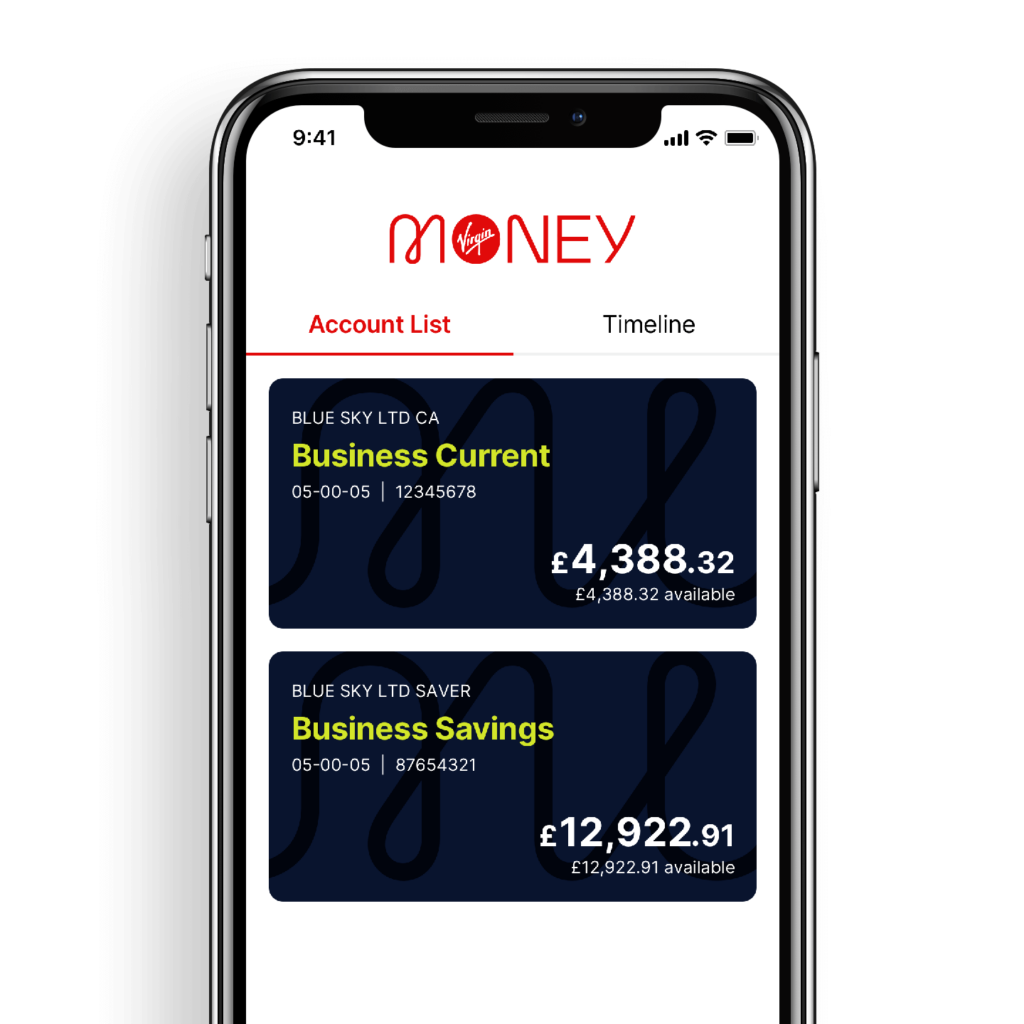
Example: Virgin Money App in UK (Credit)
Designed for SMEs and enterprises.
Common capabilities include:
- Multi-user access
- Payroll management
- Business accounts
- Invoice payments
- Cash flow monitoring
- Treasury management
- Approval workflows
- Accounting integrations
Business banking apps often require more sophisticated permission management than retail banking solutions.
Digital-Only Banks (Neobanks)
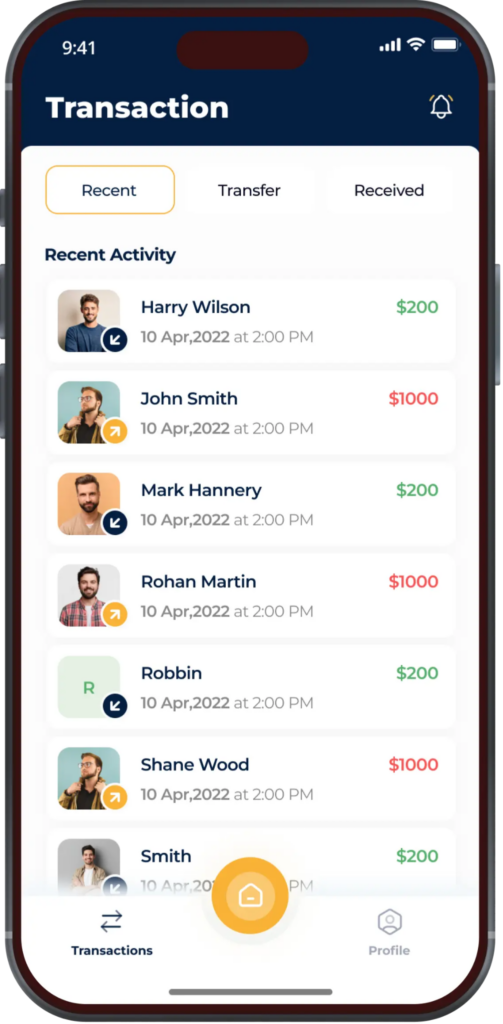
Example: A NeoBank App Evangelist Apps Built (Read the full case study)
These banks operate entirely online without physical branches.
Examples typically prioritise:
- Digital onboarding
- AI customer support
- Instant virtual cards
- Real-time spending insights
- Open Banking
- Budget management
- Automated savings
Their success demonstrates how user experience can become a competitive advantage.
Investment & Wealth Management Apps
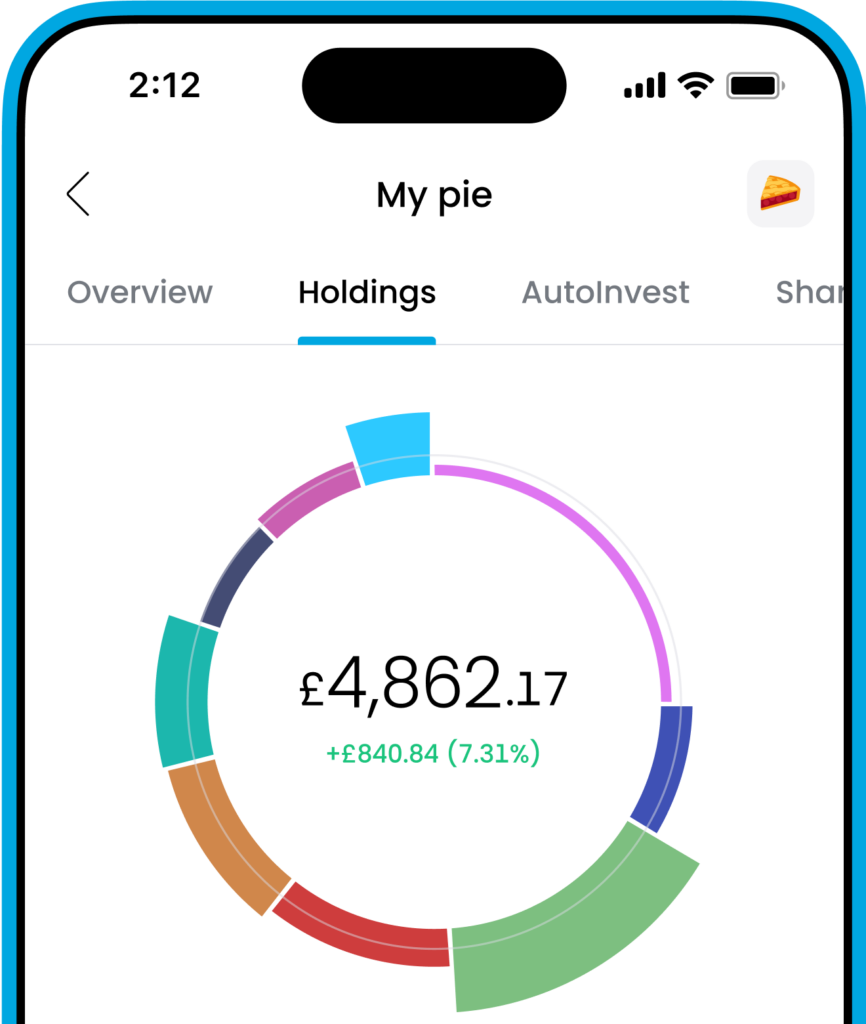
Example: Trading 212 App in UK (Credit)
Banks increasingly combine traditional banking with investment services.
Features may include:
- Portfolio tracking
- Stock trading
- Mutual funds
- Retirement planning
- Wealth analytics
- Robo-advisors
- Investment recommendations
These products often use AI to personalise investment suggestions based on customer goals.
What Security Measures Should a Banking Mobile App Include?
Security is the single most important aspect of mobile banking app development.
A beautiful interface means little if customer funds and data aren’t protected.
According to IBM’s Cost of a Data Breach Report, the financial sector continues to experience some of the highest breach costs globally.
At Evangelist Apps, we recommend implementing security from the architecture stage not as an afterthought.
#1 Multi-Factor Authentication (MFA)
Passwords alone are no longer sufficient. Modern banking apps should combine:
- Passwords
- Biometrics
- OTP verification
- Device authentication
Layered authentication significantly reduces account takeover risks.
#2 Biometric Authentication
Customers expect fast yet secure access.
Common options include:
- Face ID
- Fingerprint recognition
- Windows Hello
- Device biometrics
Biometrics improve both convenience and security.
#3. End-to-End Encryption
Sensitive data should remain encrypted:
- During transmission
- At rest
- During backups
Strong encryption protects financial information even if data is intercepted.
#4. AI-Based Threat Detection
Modern cybersecurity platforms monitor:
- Login behaviour
- Device fingerprints
- Transaction patterns
- Geographic anomalies
- Bot attacks
Suspicious activities can trigger additional verification before transactions proceed.
#5. Secure API Architecture
Banking applications depend heavily on APIs. Every API should implement:
- OAuth 2.0
- JWT authentication
- API rate limiting
- Encryption
- Monitoring
- Token management
API security becomes increasingly important as banks adopt Open Banking.
Which Regulations Must Mobile Banking Apps Comply With?
Compliance protects both financial institutions and customers.
Depending on the target market, banking apps may need to comply with:
| Regulation | Purpose |
| PSD2 | Secure Open Banking across Europe |
| GDPR | Customer data protection |
| PCI DSS | Payment card security |
| KYC | Customer identity verification |
| AML | Anti-money laundering |
| FCA Guidelines (UK) | Banking compliance for UK financial institutions |
| ISO 27001 | Information security management |
| SOC 2 | Security controls for cloud infrastructure |
If you’re targeting the mobile banking app UK market, PSD2, GDPR and FCA compliance should be considered early in the development lifecycle rather than added later.
How Does the Mobile Banking App Development Process Work?
A structured development approach reduces project risk and accelerates time-to-market.
At Evangelist Apps, our mobile banking app development services typically follow these stages.
Step 1) Product Discovery
We begin by understanding:
- Business objectives
- Target audience
- Competitor landscape
- Regulatory requirements
- Success metrics
This phase prevents costly changes later in development.
Step 2) UX & UI Design
Our design team creates:
- User journeys
- Wireframes
- Interactive prototypes
- Accessibility improvements
- Design systems
For banking apps, simplicity always outperforms visual complexity.
Step 3) Architecture Planning
We define:
- Backend architecture
- Cloud infrastructure
- API strategy
- Database design
- Security model
- Integration roadmap
Scalable architecture enables future feature expansion without major redevelopment.
Step 4) Agile Development
Development proceeds in iterative sprints covering:
- iOS development
- Android development
- Backend services
- Admin portal
- Payment integrations
- AI capabilities
- Security implementation
Continuous testing ensures each release meets enterprise standards.
Step 5) Testing & Quality Assurance
Banking applications require extensive testing, including:
- Functional testing
- Security testing
- Penetration testing
- Performance testing
- Load testing
- Accessibility testing
- Compliance validation
Every release should be tested against real-world scenarios before launch.
Step 6) Deployment & Ongoing Optimisation
After launch, successful banking apps continue evolving through:
- Feature enhancements
- Security updates
- Regulatory compliance updates
- Performance optimisation
- Analytics-driven improvements
- AI model refinement
The most successful banking apps are continuously improved based on customer behaviour and feedback.
Which Technology Stack Works Best for Mobile Banking App Development?
The ideal technology stack depends on business goals, compliance requirements and scalability needs.
A typical enterprise banking solution may include:
Mobile
- Swift (iOS)
- Kotlin (Android)
- Flutter (cross-platform)
- React Native (where appropriate)
Backend
- .NET
- Java Spring Boot
- Node.js
- Python
Database
- PostgreSQL
- MySQL
- MongoDB
- Redis
Cloud
- Microsoft Azure
- AWS
- Google Cloud
AI & Analytics
- Azure AI
- OpenAI APIs
- TensorFlow
- ML models for fraud detection
- Business intelligence dashboards
As a Microsoft AI Cloud Partner, Evangelist Apps often recommends Azure for banking projects requiring enterprise-grade security, compliance, scalability and AI integration.
How Much Does Mobile Banking App Development Cost?
One of the first questions banks and fintech companies ask is:
“How much does mobile banking app development cost?”
The answer depends on the complexity of the product, security requirements, third-party integrations, regulatory compliance, and deployment infrastructure.
Below is a general industry estimate.
| App Complexity | Estimated Timeline | Estimated Cost |
| MVP Banking App | 3–5 months | £40,000–£80,000 |
| Mid-Level Banking App | 6–9 months | £80,000–£180,000 |
| Enterprise Banking Platform | 9–15+ months | £180,000–£500,000+ |
Please note: These are indicative industry estimates. Actual costs vary depending on features, integrations, compliance requirements, and the development team’s location and expertise.
For the best pricing for building banking mobile apps, contact Evangelist Apps. We build fintech & banking apps at least 30% lower than the industry rate without compromising on the quality of the app.
What Influences Mobile Banking App Development Cost?
Several factors affect the final investment.
#1 Feature Complexity
Adding AI-driven fraud detection, Open Banking integrations, wealth management modules or embedded finance capabilities requires significantly more development effort than a basic banking application.
#2 Regulatory Compliance
Supporting regulations such as PSD2, GDPR, PCI DSS, AML and KYC introduces additional development, testing and audit requirements.
Compliance should never be treated as an optional feature.
#3 Third-Party Integrations
Most banking apps connect with multiple external platforms, including:
- Payment gateways
- Core banking systems
- CRM platforms
- Credit scoring services
- Identity verification providers
- Digital wallets
- Open Banking APIs
The greater the number of integrations, the higher the development complexity.
#4 Security Requirements
Enterprise-grade security includes:
- End-to-end encryption
- Secure APIs
- Biometric authentication
- Fraud detection
- Continuous penetration testing
- Security monitoring
Although these features increase the initial investment, they significantly reduce long-term operational and reputational risks.
#5 Platform Strategy
Businesses generally choose between:
- Native iOS and Android apps
- Cross-platform development using Flutter
- Progressive Web Apps (PWAs)
For banking applications, native or Flutter-based development is often preferred because of better performance, stronger security support and improved user experience.
What Are the Biggest Challenges in Mobile Banking App Development?
Building a banking application is significantly more demanding than developing a typical mobile app.
Here are the challenges we see most frequently.
Challenge #1) Integrating Legacy Banking Systems
Many financial institutions still rely on decades-old core banking platforms.
Connecting modern mobile experiences with legacy infrastructure requires careful API design, middleware and secure integration strategies.
Challenge #2) Balancing Security and User Experience
Adding more security can sometimes increase friction.
The goal is to make authentication strong without making everyday banking difficult.
The best banking apps feel effortless while protecting customers behind the scenes.
Challenge #3) Meeting Regulatory Requirements
Financial regulations continue to evolve.
Banks must regularly update their applications to remain compliant with changing requirements across different regions and jurisdictions.
Planning for compliance from day one reduces future development costs.
Challenge #4) Maintaining Performance at Scale
A banking app should perform consistently whether it serves 10,000 users or 10 million.
Scalable cloud architecture, automated infrastructure and continuous performance monitoring become essential as user numbers grow.
Challenge #5) Keeping Pace with Customer Expectations
Customer expectations evolve rapidly.
App features that were considered innovative only a few years ago such as instant notifications, AI assistants and biometric login are now standard expectations.
Banks must continuously innovate to remain competitive.
Top 5 Trends That Will Shape the Future of Mobile App Banking
The next generation of banking applications will focus on intelligent, personalised and embedded financial experiences.
Some of the biggest trends include:
Trend #1) AI-Powered Banking Assistants
AI assistants will evolve beyond answering questions.
They’ll proactively:
- Recommend savings opportunities
- Detect unusual spending
- Explain transactions
- Forecast cash flow
- Offer personalised financial guidance
Trend #2) Hyper-Personalisation
Machine learning will allow banks to deliver:
- Personalised offers
- Dynamic credit limits
- Individual financial goals
- Behaviour-based recommendations
Every customer experience will become increasingly tailored.
Trend #3) Embedded Finance
Banking services will increasingly appear inside non-banking applications.
Examples include:
- Retail apps offering financing
- Travel apps providing insurance
- E-commerce platforms enabling instant lending
- Payroll platforms integrating banking services
Trend #4) Open Banking Ecosystems
Banks will continue expanding partnerships with fintech providers through secure APIs.
Customers will increasingly expect one application to manage all their financial products.
Trend #5) Digital Identity
Identity verification will become faster through:
- Biometrics
- AI document verification
- Passive authentication
- Behavioural analytics
This will simplify onboarding while strengthening security.
Why Choose Evangelist Apps for Mobile Banking App Development?
Choosing the right mobile banking app development company can significantly influence the success of your digital banking initiative.
At Evangelist Apps, we don’t just build mobile applications, we engineer secure, scalable digital banking platforms that meet enterprise security standards while delivering exceptional customer experiences.
With more than 20 years of app development expertise, we’ve helped enterprises, financial organisations and global brands build high-performance mobile and digital solutions that scale.
Proven Experience in Digital Banking
Our experience goes beyond theory.
We’ve successfully delivered a Neo Bank mobile application that demonstrates our ability to build secure, customer-centric digital banking platforms.
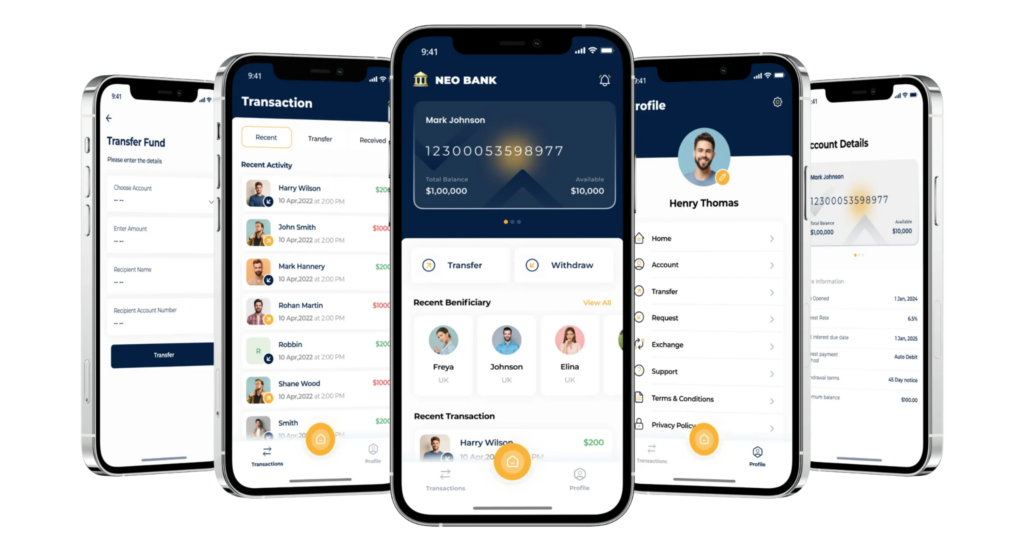
The project involved creating a modern banking experience with a strong focus on usability, performance, scalability and security exactly the capabilities required for today’s digital-first financial institutions.
Read our full banking app case study here.
Whether you’re building a retail banking platform, digital wallet, fintech application or next-generation banking ecosystem, our team understands the technical and regulatory challenges involved.
Book a FREE 15-min consultation call with us today!
Trusted by Global Organisations
Our engineering teams have delivered software solutions for internationally recognised organisations, including:
- British Airways
- Virgin Money
- UBS
- BBC
- KLM
- Hästens
- Third Bridge
- BMJ
- Channel 4
- News International
Working across highly regulated and enterprise environments has helped us develop the engineering discipline required for mission-critical applications where security, performance and reliability cannot be compromised.
Why Organisations Choose Evangelist Apps
- 20+ years of software development expertise
- Microsoft AI Cloud Partner
- AI-first product engineering approach
- Native iOS, Android and Flutter development
- Enterprise-grade architecture and cloud solutions
- Secure API-first development
- Security-conscious engineering practices
- Agile delivery with transparent communication
- UK-focused delivery supported by global engineering teams
- End-to-end product development, from discovery and UX to deployment, AI integration and long-term support
Looking for a Reliable Mobile Banking App Development Company?
Building a banking app is not simply about implementing payments or account management features.
The real challenge is creating a platform that customers trust every day, while ensuring security, compliance, scalability and future innovation.
Whether you’re building a retail banking application, digital wallet, SME banking platform, embedded finance solution or AI-powered fintech product, Evangelist Apps can help you move from concept to launch with confidence.
At Evangelist Apps, we approach every banking project with this long-term mindset, helping financial institutions launch products that are built to evolve alongside changing customer expectations and regulatory requirements.
Ready to discuss your banking app project?
Get in touch with our experts today and let’s build the future of digital banking together.
Frequently Asked Questions
Q. What is mobile banking app development?
Mobile banking app development is the process of designing, developing and maintaining secure mobile applications that allow customers to manage accounts, transfer funds, make payments and access banking services from smartphones.
Q. How much does mobile banking app development cost?
The cost depends on features, security, integrations and compliance. A basic banking app may start around £40,000, while enterprise banking platforms can exceed £500,000.
Q. Which technologies are used for mobile banking app development?
Popular technologies include Swift, Kotlin, Flutter, .NET, Java Spring Boot, Node.js, PostgreSQL, Microsoft Azure, AWS, AI services and Open Banking APIs.
Q. What security features should a banking app include?
Essential security features include biometric authentication, multi-factor authentication, end-to-end encryption, secure APIs, AI fraud detection, device authentication and continuous security monitoring.
Q. What regulations apply to banking apps in the UK?
Banking apps targeting the UK commonly need to comply with PSD2, GDPR, FCA guidelines, PCI DSS, AML and KYC requirements.
Q. How long does it take to build a mobile banking app?
A minimum viable product may take 3–5 months, while enterprise banking applications often require 9–15 months, depending on complexity.
Q. Why should banks choose a specialised mobile banking app development company?
Specialised companies understand financial regulations, enterprise security, banking integrations and scalable architecture, helping reduce project risks and improve product quality.
Q. Can AI improve mobile banking applications?
Yes. AI enables fraud detection, personalised financial insights, customer support automation, spending analysis, predictive analytics and intelligent recommendations that improve customer experience.