

Excited about making your business app?
Don’t let an inexperienced app development partner ruin the fun for you.
Choose the right app development partner to ensure the smooth development and launch of your app. Just the way you wanted it to be.
So, how to find the right app development partner, you might wonder?
TL;DR: How to choose an app development partner
Choose an app development partner by evaluating industry experience, platform expertise (native vs cross-platform), security standards, delivery model, pricing structure, and post-launch support. Shortlist 2–3 vendors, request a technical proposal, validate references, and run a paid pilot before signing a long-term contract.
If you’re evaluating vendors, you’re likely looking for more than developers. You’re looking for a reliable app development partner.
At Evangelist Apps, one of the UK’s leading mobile app development company, we’ve helped startups and enterprises turn product ideas into scalable mobile applications through structured discovery, transparent delivery, and security-first engineering. (Feel free to check out our work here!)
In this guide, we’ll break down exactly how to evaluate and select the right mobile app development partner whether you work with us or any other mobile app development company.
Why You Need the Right App Development Partner
A reliable mobile app development company does more than write code. They:
- Translate business goals into technical architecture
- Define scalable backend infrastructure
- Ensure compliance and security standards
- Optimize user experience
- Maintain and upgrade the application post-launch
The wrong partner, however, can lead to:
- Budget overruns
- Delayed releases
- Poor performance
- Security vulnerabilities
- Rebuild costs
That’s why selection must be structured.
How Can An App Development Partner Help?
An app development partner is going to be your one-stop solution for all mobile app-related needs.
- Product strategy: Help you come up with the right features and utilities for your mobile application with the help of market research, competition and audience analysis, and more.
- Design: Help you design the user interface (UI) and the user experience (UX) with the help of wireframes to help with compatibility testing.
- Develop: Write the codes and develop the functionalities of the app.
- Deploy: Helps you to launch the app on relevant marketplaces and app stores.
- Maintain: Help you to maintain and provide periodic updates for bug-free operation of your mobile app.
- Analyse: Helps you gather and analyze app data to suggest improvements.
Step-by-Step Checklist to Choose an App Development Partner
Use this 12-point evaluation framework before finalizing your decision.
1. Define Your Business Goals Clearly
Before speaking to any mobile app development company, document:
- Problem statement
- Target users
- Core features (MVP vs full version)
- Success metrics (downloads, revenue, engagement)
Clear scope prevents misaligned proposals.
2. Decide on Platform: Native vs Cross-Platform
Native apps (Swift for iOS, Kotlin for Android):
- High performance
- Best for complex, hardware-intensive apps
- Higher development cost
Cross-platform apps (Flutter, React Native):
- Faster development
- Lower cost
- Suitable for most business applications
Choose based on:
- Budget
- Timeline
- Performance requirements
- Long-term scalability
Read more: Best Cross Platform App Development Frameworks for iOS & Android
3. Evaluate Industry Experience
Ask:
- Have they built apps in your domain?
- Can they show 2–3 similar projects?
- Do they understand your regulatory environment?
Domain knowledge reduces onboarding time significantly.
4. Review Technical Expertise
Assess:
- Frontend frameworks
- Backend architecture
- Cloud infrastructure (AWS, Azure, GCP)
- DevOps capabilities
- API integrations
- Security standards
A strong app development partner should explain architecture clearly not hide behind jargon.
5. Check Portfolio Depth
Look beyond visuals:
- Performance metrics
- Scalability
- App Store ratings
- Load handling capability
- Retention metrics (if shared)
Ask for real case studies, not mockups.
6. Understand Their Development Methodology
Preferred approach:
- Agile sprints (2-week cycles)
- Regular demos
- Transparent backlog
- Defined QA cycles
- CI/CD pipeline
Avoid companies that provide only vague “we will update you” commitments.
Read more: 10 Best Software Development Methodologies
7. Confirm Security & Compliance
Critical for fintech, healthcare, enterprise apps.
Check:
- Data encryption practices
- GDPR compliance
- OWASP security standards
- Secure authentication (OAuth, MFA)
- Code review protocols
Security should be proactive not reactive.
8. Evaluate Communication & Transparency
Key indicators:
- Dedicated project manager
- Structured reporting
- Clear escalation process
- Overlapping working hours
Miscommunication is one of the biggest causes of project failure.
9. Understand Pricing Models
Common engagement models:
- Fixed Price – Best for well-defined scope projects.
- Time & Material – Flexible scope, evolving products.
- Dedicated Team – Long-term product partnerships.
Choose based on product complexity and roadmap stability.
10. Ask About Post-Launch Support
Your app will need:
- Bug fixes
- OS updates
- Feature enhancements
- Security patches
- Performance optimization
A true app development partner supports beyond launch.
11. Request References
Speak to at least two previous clients and ask:
- Was the project delivered on time?
- Were there cost overruns?
- How was communication?
- Would you hire them again?
12. Run a Paid Pilot Project
Before signing a long contract:
- Assign a small module
- Evaluate quality
- Review communication flow
- Test documentation clarity
This reduces long-term risk significantly.
Looking for a Trusted App Development Partner?
If you’re evaluating vendors and want a structured, reliable approach, Evangelist Apps is a trusted app development partner delivering scalable, secure, and high-performance mobile applications.
Our team works across startups, enterprises, and global brands. We focus on:
- Clear discovery and architecture planning
- Agile development with transparent sprint cycles
- Security-first engineering practices
- Scalable cloud-native infrastructure
- Long-term maintenance and optimization
We build products designed for growth.
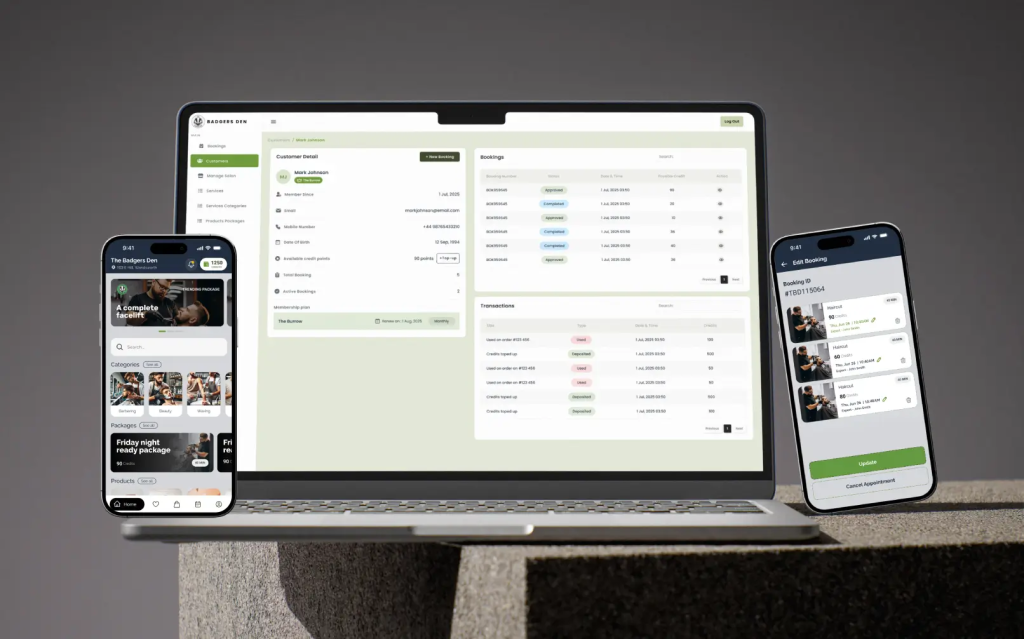
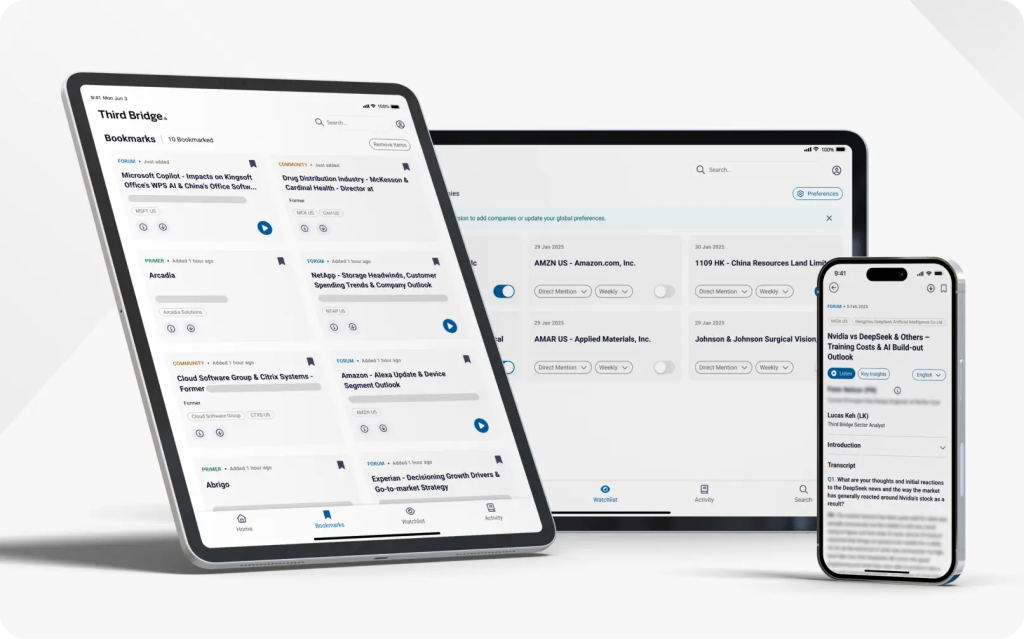
We have delivered across travel, recruitment, enterprise systems, and digital platforms. Each project went through –
- Structured discovery process
- Performance-optimized builds
- On-time delivery
- Post-launch scalability support
Here are couple of our successful mobile app projects that we have built for our clients –
Ready to Validate Your Idea?
If you’re planning a mobile application and want technical clarity before committing:
Book a free strategy consultation to:
- Validate feasibility
- Estimate realistic timelines
- Understand budget ranges
- Identify the right technology stack
Make an informed decision before investing in development.
👉 Schedule Your Consultation Call here
10 Questions to Ask a Mobile App Development Company Before Hiring Them
Use these during evaluation:
- What similar apps have you built recently?
- How do you ensure app scalability?
- What is your QA process?
- How do you handle scope changes?
- Who owns the source code?
- What happens if a developer leaves mid-project?
- What security frameworks do you follow?
- What are your average project timelines?
- What tools do you use for collaboration?
- What does post-launch support include?
Short, direct questions reveal operational maturity quickly.
Native vs Cross-Platform: Decision Matrix
| Factor | Native | Cross-Platform |
|---|---|---|
| Performance | Excellent | Very Good |
| Cost | Higher | Lower |
| Speed to Market | Moderate | Faster |
| Maintenance | Separate codebases | Unified codebase |
| Best For | Complex apps | Business apps |
Most startups choose cross-platform initially, then migrate to native if scale demands.
What to Look for in An App Development Partner?
Your app development partner must have good experience and also come from a relevant academic background.
Check for previously published projects to understand their level of expertise.
- Job-specific skill: Make sure to hire talents who are experienced with the development platform and programming language you wish to use for your app.
- Writing codes: Check if the development partner can write efficient and accurate codes using the right programming languages when developing apps.
- Manage databases: Check how databases are created and if they are secure enough to hold user information. The right developer will help create secure databases protected by additional layers of security like 2FA, Authentication codes, and more.
- Other aspects: Check if the developer can create intuitive UIs for the best user experience, track bugs, and resolve them and their track record of providing regular updates.
Frequently Asked Questions
Q. How do I pick the right app development partner?
Evaluate experience, technical stack, security standards, pricing model, communication clarity, and post-launch support. Run a paid pilot before signing a long contract.
Q. What is the difference between native and cross-platform apps?
Native apps are built specifically for iOS or Android and offer maximum performance. Cross-platform apps use shared codebases, reducing cost and development time.
Q. How much does a mobile app typically cost?
Basic apps cost between $25k–$75k, mid-level apps $75k–$200k, and enterprise apps often exceed $200k depending on complexity and integrations.
Q. How do I evaluate a mobile app development company?
Review portfolio, technical expertise, communication structure, security compliance, pricing transparency, and client references.
Q. Should I hire locally or offshore?
Choose based on expertise and communication efficiency rather than location. Many offshore teams provide high-quality results with cost advantages.
Q. How long does it take to build a mobile app?
A basic MVP usually takes 3–6 months. Mid-level apps require 6–10 months, while complex enterprise applications may take 10–18 months. Timelines depend on feature complexity, integrations, design requirements, and approval cycles.
Q. How do I assess an app developer’s security practices?
Ask about encryption standards, secure authentication methods, compliance frameworks, code review processes, penetration testing, and data storage practices. Request documentation of their security protocols and confirm experience with regulatory requirements relevant to your industry.
Q. Should I do a paid pilot?
Yes. A paid pilot reduces risk by testing communication, code quality, documentation standards, and delivery timelines before committing to a long-term contract. It helps validate capability and cultural fit with minimal financial exposure.